

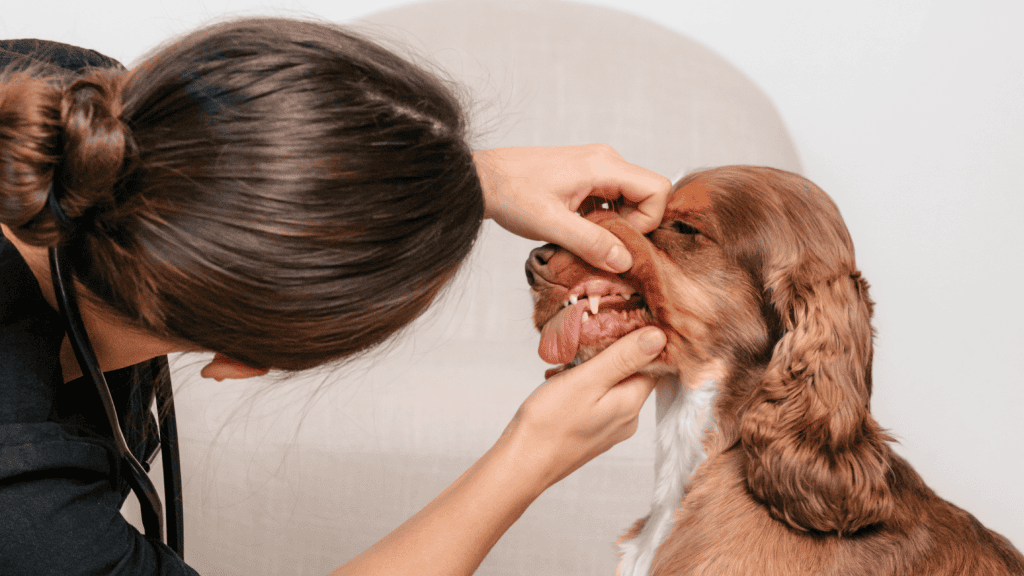
Many pet owners view bad breath as something natural in dogs and cats, but the fact is that a foul-smelling mouth is often the first sign of dental disease or inflammation. Dental problems are one of the most common causes of pain in our pets, and since animals rarely stop eating even though they have a sore mouth, problems can be long gone before they are detected.
Why do dental problems occur?
Just like us humans, plaque is constantly forming on animals' teeth. If plaque is not brushed away, it mineralizes and becomes tartar. Tartar, in turn, provides a base for even more bacteria that can crawl below the gum line and cause:
- Gum inflammation (gingivitis): The gums become red, swollen and bleed easily.
- Tooth loss (periodontitis): The bacteria destroy the tooth's attachment tissue, leading to loose teeth and pain.
- TR (Tooth Resorption): A common and very painful disease, especially in cats, where the tooth breaks down from the inside.
Signs that your pet has a sore mouth
Since animals are experts at hiding pain, you should be alert to these subtle signals:
- The cat or dog drops food or chews only on one side.
- The animal is drooling more than usual.
- A sudden reluctance to play with pull toys or carry hard objects.
- The animal pulls away when you try to touch its face or mouth.
- Severe bad breath.
What can you do yourself?
The most effective way to prevent dental problems is daily brushing. It doesn't have to be complicated - the most important thing is to mechanically rub away plaque from the outside of the teeth. Use a soft brush and a toothpaste designed for animals (never use human toothpaste as it contains fluoride which is toxic to dogs and cats).
When is professional help needed?
Once tartar has formed, it cannot be brushed away. This requires a professional dental cleaning (PTR) under anesthesia, where the veterinarian can examine each tooth carefully and use ultrasound to remove tartar even below the gum line.
Would you like help with an oral health check? Are you unsure about what your pet's mouth looks like? We are happy to help you with an initial assessment of their teeth and gums. We can look at their oral health during a home visit or at one of our clinics, and if necessary, help you further with a referral for dental X-rays and measures at our clinic.


