
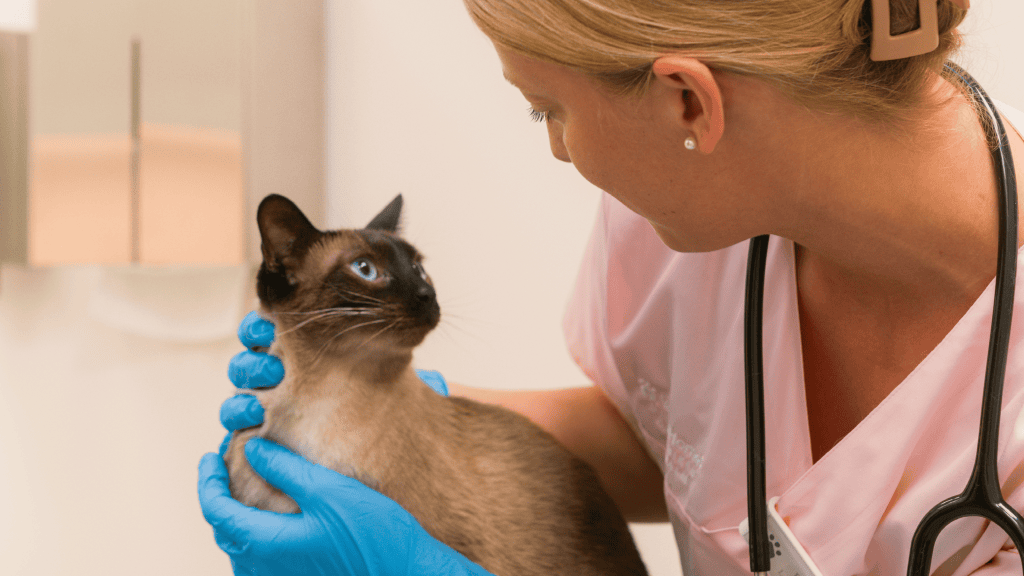
Cats are evolutionarily programmed to hide pain and weakness. In the wild, an injured animal would be easy prey, which is why our domestic cats have retained the ability to appear healthy even when suffering from chronic or acute ailments. As a pet owner, it often takes a trained eye to spot when something is wrong.
1. Changed behavior and personality
One of the most common indications of pain is a change in the cat's normal temperament.
- Social withdrawal: A previously cuddly cat begins to withdraw and spend more time under the bed or in closets.
- Aggressiveness: If your cat hisses or growls when you try to pet it in certain places, it may be a direct reaction to tenderness.
- Low activity level: The cat stops jumping up in its favorite places or does not play as intensely as before.
2. Facial Expressions (Feline Grimace Scale)
Research has shown that a cat's face reveals a lot about their well-being. When in pain, you often see:
- The ears: They are pulled apart and point more outwards or backwards.
- The eyes: The cat squints its eyes or has a ”tunnel vision” look.
- Mouthpiece: The muzzle looks more tense and the whiskers may point straight down or forward instead of being relaxed.
3. Changed routines
- Fur care: A cat in pain (such as osteoarthritis) may stop grooming themselves in hard-to-reach areas, leading to matted fur. Conversely, they may also lick feverishly at a specific area that is painful.
- Toilet visit: If the cat starts to urinate outside the box, it may be because it hurts to step over the edge of the box or because it associates the box itself with pain from urinary tract problems.
- Appetite and sleep: A decreased appetite or the cat sleeping unusually much (or in unusual positions) are clear warning signs.
Summary
If you suspect your cat is in pain, it is always best to consult a veterinarian early. As symptoms are often vague, a clinical examination and possible tests may be necessary to determine the cause and help your cat return to a pain-free life.
Do you need advice or help with wound care? If you are unsure about what a wound looks like or if you need help with dressing, you are always welcome to contact us at Vetathome. We can help you with an assessment and treatment either through a safe visit to your own home or at one of our clinics.


