
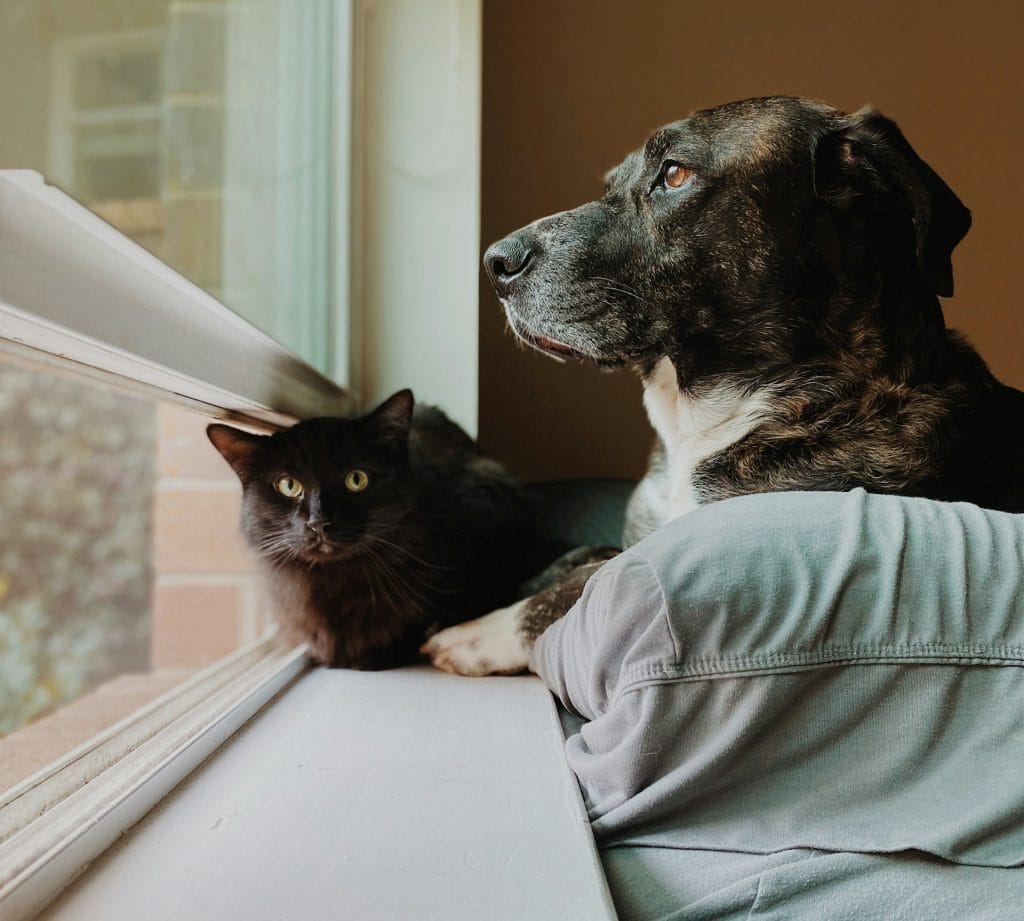
The eyes are some of the most sensitive organs in the body. Since eye injuries and diseases can quickly worsen and, in the worst case, lead to impaired vision or blindness, it is important to know what signs to react to. A rule of thumb in animal health care is that eye problems should almost always be examined by a veterinarian the same day they are discovered.
Common warning signs
There are several ways an eye can show that it is not feeling well. Look out for the following:
- Blinking or blinking: If the animal keeps its eye half-closed or blinks intensely, it is a clear sign of pain.
- Watery or sticky eyes: Clear tear flow can be due to irritation or blockage in the tear duct, while yellow or green discharge often indicates an infection.
- Color changes: A bluish cloudiness, severe redness in the white of the eye or a dull surface on the cornea always requires checking.
- Changed pupil: If the pupils are of different sizes or do not constrict in light, it may indicate serious problems inside the eye or neurological problems.
Why is early diagnosis so important?
Many eye conditions have similar symptoms but require completely different treatments. A common corneal ulcer (a scratch mark on the surface of the eye) can look just like inflammation inside the eye (uveitis) or increased pressure (glaucoma).
By performing a timely examination, the veterinarian can measure tear production, check eye pressure, and stain the cornea to see small wounds that are not visible to the naked eye. The sooner the right treatment is initiated, the better the chance of saving vision and quickly relieving the animal's pain.
What can I do myself?
If your animal has eye problems, you should avoid using old eye drops that you have at home, as the wrong medication (for example, those containing cortisone for a corneal ulcer) can cause great harm. What you can do is prevent the animal from scratching its eye, for example with a collar, until the examination.
Do you need help with an eye exam? Our veterinarians have extensive experience in ophthalmology and can help you with everything from pressure measurement to specialized diagnostics. Contact us at Vetathome for advice or book a visit directly at our clinic or at home in the safety of your own home.


