
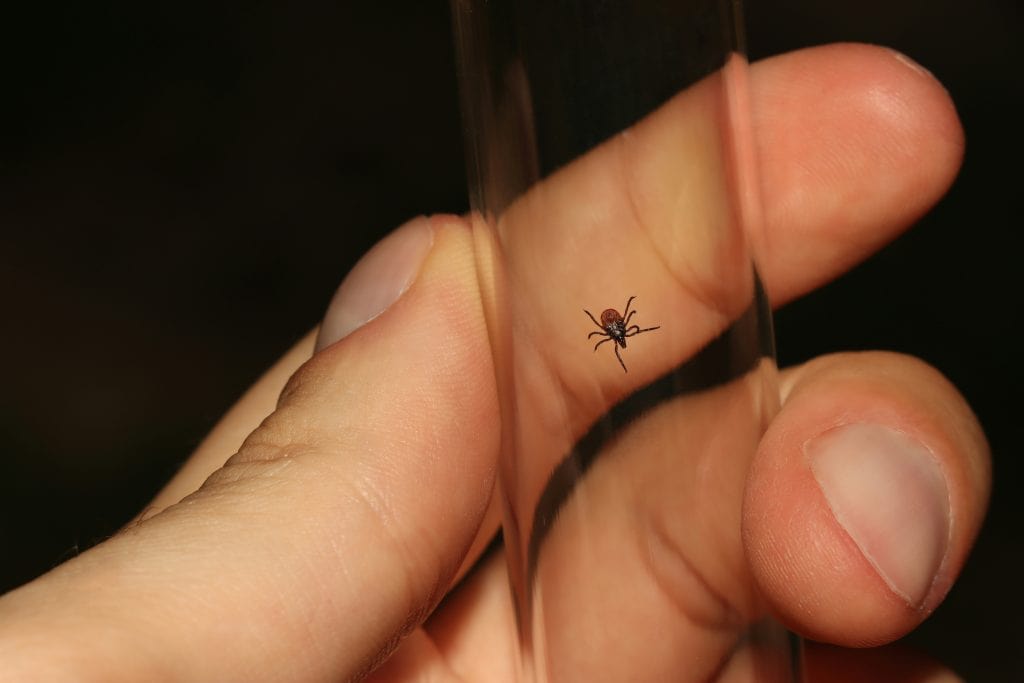
The tick season in Sweden is long and can extend from early spring to late autumn.. For both dogs and cats, these small parasites not only cause discomfort, but also pose a risk of infectious diseases.. Here we have collected our best tips on how to protect your animal effectively and what to do if you find a tick.
Preventive protection – your first line of defense
The most effective way to avoid tick-borne diseases is to prevent the tick from biting or staying in for long. Today, there is a wide range of products available, and the choice often depends on your pet's lifestyle:
- Chewable tablets: Provides systemic protection that causes the tick to die shortly after it bites.
- Spot-on (drops): Apply directly to the skin on the neck and spread over the body.
- Necklace: Provides long-lasting protection (often the entire season) by continuously releasing active ingredients.
Since some animals may be sensitive to specific substances, it is always wise to consult a veterinarian to find the safest and best protection for your particular friend..
Do a daily tick check
Even if your pet has tick medicine, you should make it a habit to check their fur after every walk or when your outdoor cat comes in. The sooner a tick is removed, the less likely it is to spread the infection. Ticks prefer warm areas where the skin is thin. Be extra careful when:
- The head: Especially around the nose, eyes and behind the ears.
- Soft parts: In the armpits, groin and on the stomach.
- The paws: Between the toes and in the folds of the foot pads.
How to remove a tick the right way
If you find a tick that has bitten you, it's important not to panic. Follow these steps for safe removal:
- Use the right tools: A tick remover or fine-tipped tweezers are best. Avoid using your fingers as you can easily squeeze the tick's body, which can push infectious agents into the animal.
- Grip low: Place the picker as close to the animal's skin as possible, under the tick's body.
- Pull in a controlled manner: Pull straight out with even, firm pressure. Avoid twisting or tugging, as this increases the risk of the mouthparts remaining in the skin and causing a small local inflammation.
- Aftercare: Wash the bite site with water and mild soap or some wound cleanser. It is normal for a small red bump to appear afterwards, but keep an eye on it so that the redness does not spread or become infected.
Do you need advice or help? Are you unsure which tick remedy to choose, or have you found a bite that looks worrying? We at Vetathome are here to help you. You can easily book an appointment for advice or prescription renewal, either via a visit to one of our clinics or in the comfort of your own home.


