

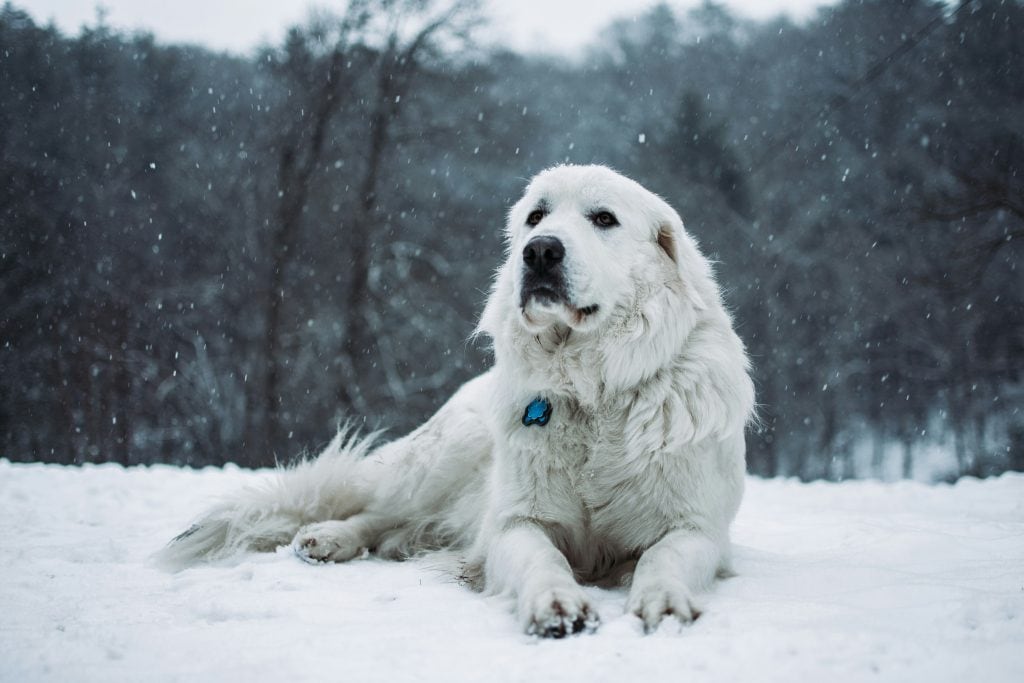
Many pet owners misinterpret their pet’s decreased activity as “just getting old.” But old age is not a disease—pain is. When the temperature drops, blood vessels constrict and muscles tighten to retain heat, leading to increased stiffness and pain in joints that are already affected by wear and tear.
How do you know if your animal is in pain?
Animals are experts at hiding pain. It's a survival instinct. That's why we as pet owners have to be detectives, especially during the winter months.
Signs in the dog:
- Morning stiffness: The dog needs time to “get going” after resting.
- Refuses to go out: The dog stops at the door or wants to quickly turn back home (not just because it's cold, but because it hurts).
- Difficult with level differences: Hesitating to jump into the car or onto the couch.
- Licking: Intense licking of paws or joints may be an attempt to relieve pain.
Signs in the cat (often harder to see):
- Changed movement pattern: The cat stops jumping up on its favorite places (windowsill, scratching post) and chooses lower sleeping places.
- Fur care: A cat with back pain often stops grooming itself on its back or at the base of its tail, which results in matted fur there.
- Mood swings: Has your cuddly cat become “sour” or withdrawn? Aggression or isolation are classic signs of pain.
3 tips to help seniors this winter
To relieve the discomfort, you can make some simple adjustments to your everyday life:
- Heat is the key: Do you have a short-haired or older dog? Use a blanket outdoors. It's not about vanity, but about keeping the muscles warm and soft.
- Short but more: It's better to take several short walks than one long mile in the cold. This keeps your joints moving without overloading them.
- Slip-proof your home: Slippery floors are a nightmare for a dog with osteoarthritis. Place rugs where the dog moves the most so that he can get a grip and avoid straining.
If you suspect your senior is in pain, the next step is a veterinary evaluation. But for an older dog or cat with body aches, the trip to the clinic can be a pain. Being lifted into a cold car, riding in a transport cage, and then slipping around on slippery clinic floors creates unnecessary stress and pain. In addition, the stress boost (adrenaline) causes the animal to temporarily “forget” the pain inside the vet, making it more difficult to make the correct diagnosis.
That's why many people choose Vetathome for senior check-ups:
- We see reality: We can assess how your animal moves in its safe home environment, up and down your own stairs. This gives a more accurate picture.
- No stress: The examination takes place where the animal is safe – on its favorite blanket or on the sofa.
- Individual plan: We go through pain relief, nutritional supplements and adjustments in peace and quiet at the kitchen table.
Do you suspect that the cold is causing it for your old friend? Book a senior check-up via Vetathome today, and we'll help give your furry friend a pain-free and cozy winter. (edited)


